

Boost Immunity for Training: A Grappler's Guide
Editorial TeamTable of Contents
- How Exercise Strengthens Your Immune System
- The Best Immune Defense for MMA
- How to Prevent Skin Infections in BJJ
- Signs of Overtraining and Immune Suppression
- Recovery Protocols and Sleep Hygiene
- Supplementation for Immune Fitness
- Frequently Asked Questions
Last Updated: October 4, 2026
How Exercise Strengthens Your Immune System
When you train hard, your body undergoes stress. That stress triggers adaptation. One of those adaptations is a stronger immune system. Exercise creates the conditions for immune cells to circulate more efficiently through your bloodstream. This is how to boost immunity for training.
Moderate aerobic activity gets your heart pumping and your immune cells moving. Think of your circulatory system as a delivery network. When blood flows faster, immune surveillance improves. Your body detects threats earlier.
Resistance training works differently. It builds muscle tissue, and muscle is metabolically active. A stronger body is a more resilient body. Both types of training matter for immune fitness.
Moderate Aerobic Activity and Immune Circulation
Brisk walking, jogging, cycling, and swimming all count as moderate aerobic activity. These exercises increase your heart rate and breathing. They keep you moving for 20-30 minutes at a pace where you can talk but not sing.
This consistent, moderate exertion moves immune cells through your body. White blood cells circulate faster. Lymph fluid drains more effectively. Your immune surveillance improves.
The benefit is real but temporary. A single 30-minute session provides a window of enhanced immune function. Regular activity builds cumulative protection. Train most days, and your baseline immune fitness rises.
For grapplers and MMA athletes, moderate aerobic work between heavy training sessions supports recovery. It keeps the immune system active without adding the stress of intense exertion.
Resistance Training and Musculoskeletal Health
Strength training builds muscle. Muscle tissue requires energy and nutrients. It also produces compounds that support immune function. A stronger musculoskeletal system is a healthier system overall.
Resistance training also improves metabolic health. Better metabolism means better immune cell production. Your body manufactures immune cells in bone marrow. Metabolic health directly affects that production.
For combat athletes, resistance training prevents injury. Injury compromises immune function. A healthy shoulder, knee, or hip means you stay on the mat. You stay training. Consistency beats intensity every time.
The Best Immune Defense for MMA
Combat sports expose you to pathogens constantly. Sweat, skin contact, minor cuts, and abrasions create pathways for bacteria and fungi. Your immune system is your first line of defense. The best immune defense for MMA starts inside your body, not on your skin.
Innate vs. Adaptive Immunity in Combat Sports
Your immune system has two layers: innate and adaptive.
Innate immunity is your first responder. It acts immediately when a pathogen enters your body. Skin, stomach acid, and white blood cells called neutrophils are part of innate immunity.
Adaptive immunity learns and remembers. Once your body defeats a pathogen, adaptive immunity recognizes it if it returns. This is why vaccines work. It's also why you might develop resistance to certain infections over time.
Combat athletes need both layers strong. Innate immunity stops most mat-borne bacteria and fungi before they establish infection. Adaptive immunity provides long-term protection.
Training itself triggers both systems. Physical exertion stimulates immune cell production and circulation. Rest allows your body to build adaptive memory. This is why consistent training with proper recovery builds immune resilience.
Why Low-Impact Exercise Matters Between Sessions
Heavy training days demand recovery days. Low-impact exercise on recovery days keeps your immune system active without adding stress.
Walking, swimming, yoga, and light stretching maintain circulation. They reduce systemic inflammation. They support sleep quality. None of these activities trigger the physiological stress that hard training does.
Many grapplers skip recovery days entirely. They train hard, then rest completely. This pattern works for a while. Eventually, it leads to accumulated fatigue and immune suppression.
A better approach: train hard 3-4 days per week. On other days, do low-impact movement for 20-30 minutes. Your immune system stays primed. Your body recovers.
Research on exercise and immune function from the American College of Sports Medicine confirms this pattern. Moderate, consistent activity supports immune health better than sporadic intense effort.
How to Prevent Skin Infections in BJJ
Skin infections are the most common injury in grappling sports. Ringworm, staph, and herpes gladiatorum sideline athletes regularly. Prevention starts with hygiene. It continues with immune support.
Understanding Pathogen Exposure on the Mat
Mat-borne bacteria and fungi are everywhere in combat sports facilities. They live on the mat surface, on your training partners' skin, and in warm, moist environments like locker rooms.
Common pathogens:
- Trichophyton (ringworm fungus)
- Staphylococcus aureus (including MRSA)
- Herpes simplex virus (HSV)
These pathogens need entry points. A healthy skin barrier stops most of them. Cuts, scrapes, and micro-abrasions create entry points. This is where your immune system comes in.
A strong innate immune response kills pathogens at the entry point before infection spreads. A weak immune response allows pathogens to establish themselves. Within 24-48 hours, you have a visible infection.
Basic mat hygiene helps, but it's not enough. Your training partners' hygiene matters. The facility's cleaning matters. But your internal immune defense matters most.
Nutrition and Immune Support for Grapplers
What you eat directly affects immune cell production and function. Certain nutrients are critical for athletes.
Key nutrients for immune support:
- Protein (for immune cell building)
- Vitamin C (for white blood cell function)
- Vitamin D (for immune regulation)
- Zinc (for immune cell activation)
- Omega-3 fatty acids (for inflammation control)
Most grapplers eat enough protein. Many don't get enough micronutrients. A varied diet with plenty of vegetables, fruits, and healthy fats supports immune function.
Timing matters too. Post-training meals should include protein and carbs within 30-60 minutes. This refuels your body and supports immune cell production during the recovery window.
For athletes who train twice daily or compete frequently, basic nutrition often isn't enough. This is where supplementation becomes practical. Nutritional guidelines for athletic performance from the Academy of Nutrition and Dietetics recommends targeted micronutrient support for high-volume training.
Skin Shield Pro is designed specifically for grapplers. Eight active compounds work together to fortify your immune system and support your body's natural defense against mat-borne pathogens. One daily serving covers the nutritional gaps that training creates.

Signs of Overtraining and Immune Suppression
Hard training is good. Too much training without adequate recovery is destructive. Overtraining syndrome (OTS) directly suppresses immune function.
Recognizing Overtraining Syndrome (OTS)
Overtraining happens gradually. You don't wake up overtrained. You accumulate training stress faster than your body can recover from it.
Early signs of overtraining:
- Persistent fatigue despite adequate sleep
- Elevated resting heart rate (5-10 bpm higher than normal)
- Slow recovery between sessions
- Frequent minor illnesses (colds, sore throats)
- Persistent muscle soreness
- Irritability and mood changes
- Difficulty concentrating
The immune suppression connection is direct. Heavy training triggers cortisol release. Cortisol suppresses immune function in the short term. This is normal and temporary. With adequate recovery, immune function rebounds.
Without recovery, cortisol stays elevated. Immune cells decrease. Infection risk increases. You get sick more often. You need more time off. Your training consistency drops.
This is the overtraining trap. The athletes who need to train most are often the ones training too much.
Periodization for Immune Resilience
Periodization is planned variation in training intensity and volume. It prevents overtraining. It builds immune resilience.
A simple periodization approach for grapplers:
- Week 1-2: High intensity, moderate volume (2-3 hard sessions per week)
- Week 3-4: Moderate intensity, high volume (more sessions, lower intensity)
- Week 5: Deload week (light training only, focus on recovery)
- Repeat
This pattern prevents the accumulation of training stress. Your body adapts to hard training. Recovery weeks allow immune function to rebound. You return to hard training with a stronger immune baseline.
Many athletes resist deload weeks. They feel like wasted time. The opposite is true. Deload weeks prevent injury, illness, and burnout. Athletes who periodize train more consistently year-round.
Recovery Protocols and Sleep Hygiene
Recovery is when adaptation happens. Training creates the stimulus. Recovery allows your body to respond to that stimulus.
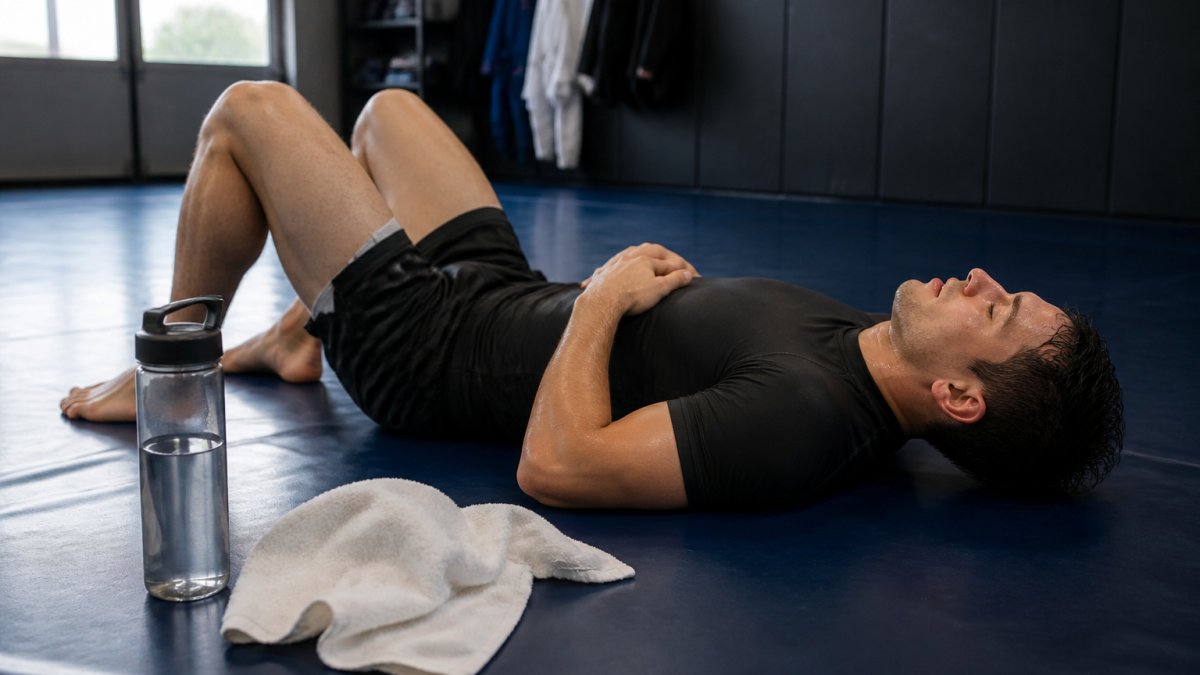
Sleep is the most powerful recovery tool. During sleep, your body produces immune cells. Cortisol decreases. Growth hormone increases. Muscle repair accelerates. Everything that builds a stronger immune system happens during sleep.
Most athletes don't sleep enough. Training stress makes sleep harder. Caffeine use, screen time before bed, and irregular schedules all disrupt sleep.
Sleep targets for athletes:
- 7-9 hours per night minimum
- Consistent sleep and wake times (even on weekends)
- Dark, cool sleeping environment
- No screens 30-60 minutes before bed
Sleep quality matters as much as quantity. Deep sleep is where immune cell production peaks. Fragmented sleep provides quantity but not quality.
Cortisol Regulation and Stress Management
Cortisol is your stress hormone. It's necessary. It's also suppressive to immunity when chronically elevated.
Training raises cortisol. So does work stress, relationship stress, and sleep deprivation. These stressors add up. High chronic cortisol suppresses immune function.
Stress management techniques lower cortisol:
- Meditation (even 5-10 minutes daily)
- Breathing exercises (box breathing: 4 seconds in, hold 4, out 4, hold 4)
- Stretching and mobility work
- Time in nature
- Social connection
For grapplers, light mobility work between hard sessions serves double duty. It reduces cortisol. It improves recovery. It keeps you moving without adding training stress.
Breathing work is particularly effective. Slow, deep breathing activates your parasympathetic nervous system. This is your rest-and-digest system. It directly opposes stress response. Five minutes of box breathing before bed improves sleep quality.
Supplementation for Immune Fitness
Basic nutrition, training consistency, and recovery form the foundation. For athletes training hard multiple times per week, supplementation fills nutritional gaps.
Most combat athletes use multiple products: a multivitamin, vitamin D, a probiotic, maybe fish oil.
Skin Shield Pro consolidates eight active compounds into one daily formula designed specifically for grapplers.
Your gut microbiome directly affects immune function. A healthy gut produces immune cells. It also produces compounds that regulate inflammation.
One daily serving replaces multiple products. It costs less than treating a skin infection. It's more convenient than juggling five different supplements.
Gut microbiome and immune function research from the National Institutes of Health demonstrates the connection between digestive health and immune resilience.
Boost immunity for training by combining smart training practices with proper recovery and targeted nutrition.
The best immune defense for MMA is built inside your body. Start with one daily serving and experience the difference consistent immune support makes. Subscribe & Save 15% on your first order and stay healthy, stay on the mats, and keep winning.
Frequently Asked Questions
How does moderate exercise boost immunity compared to high-intensity training?
Moderate aerobic activity enhances immune surveillance and circulates immune cells more effectively than intense sessions. Brisk walking, light jogging, and controlled grappling drills activate your adaptive immunity without triggering the systemic inflammation that comes with overtraining. High-intensity training temporarily suppresses certain immune markers, which is why periodization matters, spacing hard sessions with recovery days maintains immune resilience while building fitness.
What are the best ways to prevent skin infections in BJJ beyond hygiene?
Preventing skin infections in BJJ requires internal immune defense alongside external hygiene. A strong gut microbiome and resilient immune system recognize and eliminate pathogens before they establish infection. Consistent sleep, stress management, targeted nutrition with micronutrient support, and strategic supplementation fortify your body's ability to fight mat-borne bacteria and fungi. Skin Shield Pro combines eight active compounds specifically engineered to support this internal defense mechanism for grapplers.
How can I tell if I'm overtraining and damaging my immune system?
Overtraining Syndrome (OTS) shows up as persistent fatigue, elevated resting heart rate, frequent minor infections, slow recovery between sessions, and declining performance despite increased training volume. These signs indicate your immune system is suppressed. If you notice getting sick more often or skin infections recurring despite good hygiene, reduce training load by 20-30% and prioritize sleep and recovery. Periodization, alternating hard weeks with easier weeks, prevents OTS and maintains immune function.
How long does it take for immunity supplements to protect you from infection?
Immune support supplements work best as prevention, not emergency treatment. Consistent daily use over 2-4 weeks allows your gut microbiome and immune cells to establish stronger defenses. Skin Shield Pro is designed for daily use to keep your body prepared to combat skin infections before they start, not to rescue you after exposure. Starting supplementation now protects you for competitions and intense training blocks weeks away.