

Natural Ways to Boost Skin Immunity: 7 Steps
Editorial TeamTable of Contents
- Understanding Skin Immunity and the Barrier Function
- Step 1: Build Skin Immunity Through Foods for Skin Barrier Health
- Step 2: Support Your Gut Microbiome for Systemic Immune Strength
- Step 3: Prioritize Sleep and Recovery for Immune Regulation
- Step 4: Manage Stress to Protect Skin Integrity
- Step 5: How to Prevent Staph Infections in Athletes Through Hygiene and Training Practices
- Step 6: Use Strategic Supplementation to Fill Nutritional Gaps
- Conclusion: A Complete Protocol for Skin Immunity
- Frequently Asked Questions
Last Updated: October 2, 2026
Understanding Skin Immunity and the Barrier Function
Your skin is your first line of defense against bacteria, fungi, and environmental stressors. It's not just a barrier, it's a living immune system that works 24/7 to protect you from infection.
For combat athletes, this defense system faces constant challenge. Every time you step on the mat, you're exposed to MRSA, ringworm, staph, and other pathogens that thrive in warm, moist environments. The good news: you can strengthen your skin immunity from the inside out using natural strategies that support both your microbiome and your immune response.
This guide from Skin Shield Pro breaks down seven evidence-based steps to boost skin immunity and keep you training without interruption. These strategies work by supporting your gut health, managing inflammation, and ensuring your body has the nutrients it needs to defend against infection before it starts.

Step 1: Build Skin Immunity Through Foods for Skin Barrier Health
The foods you eat directly impact your skin's ability to defend itself. Your skin barrier relies on collagen synthesis, healthy fats, and antioxidants to stay intact and resilient.
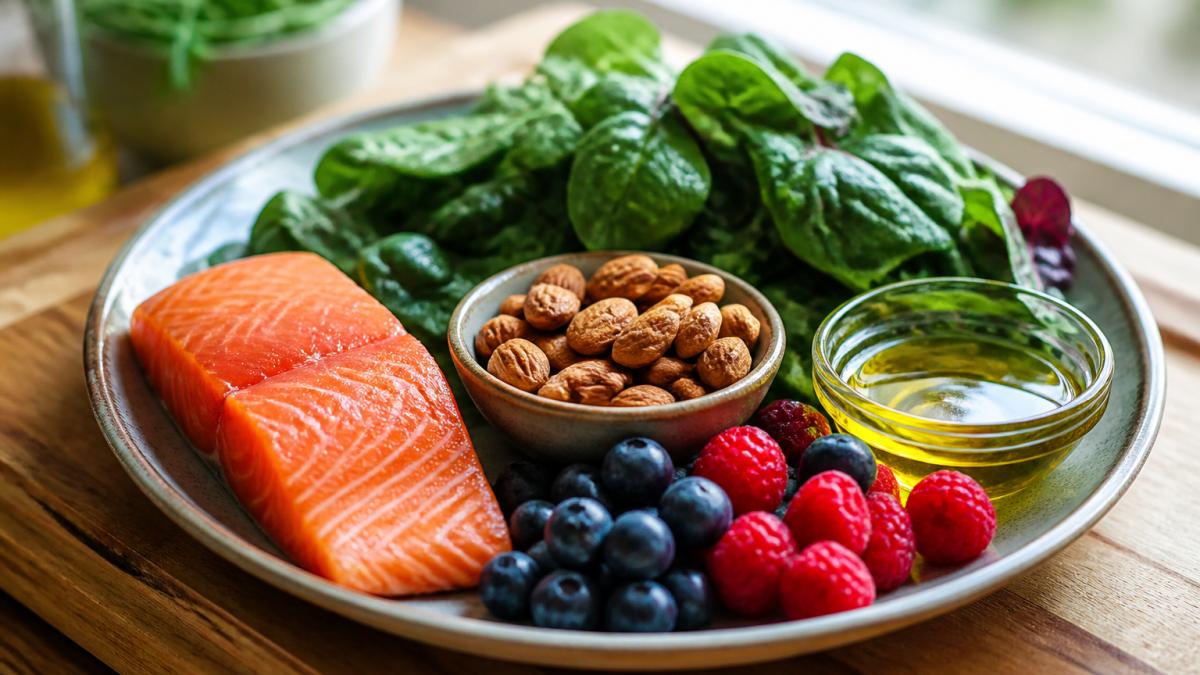
Focus on nutrient-dense foods that support collagen production and reduce oxidative stress:
- Fatty fish (salmon, mackerel, sardines): Rich in omega-3 fatty acids that reduce inflammation and strengthen cell membranes
- Leafy greens (spinach, kale, arugula): High in vitamins A, C, and K, which support skin repair and collagen cross-linking
- Berries (blueberries, raspberries, blackberries): Packed with antioxidants that neutralize free radicals and protect against oxidative stress
- Nuts and seeds (almonds, walnuts, pumpkin seeds): Provide zinc and selenium, critical for immune cell function
- Citrus and bell peppers: Vitamin C sources that boost collagen synthesis and immune response
- Bone broth: Contains collagen and amino acids that directly support skin integrity
The key principle: foods for skin barrier health work by providing the raw materials your body needs to repair and maintain your skin's protective layers. You're not just eating, you're building your defense system.
A common mistake is relying on topical products alone. What you eat determines whether your skin can actually repair itself from the inside. Without proper nutrition, even the best creams can't overcome a weak foundation.
Step 2: Support Your Gut Microbiome for Systemic Immune Strength
Your gut microbiome controls up to 70% of your immune system's function. A healthy gut means a stronger immune response throughout your entire body, including your skin.
When your gut microbiome is compromised, by antibiotics, poor diet, or stress, your body's ability to fight off skin infections drops significantly. This is why many athletes get recurring infections even after treatment.
Build your gut microbiome with these strategies:
- Fermented foods: Sauerkraut, kimchi, miso, tempeh, and kefir introduce beneficial bacteria directly into your digestive system
- Prebiotic fiber: Garlic, onions, asparagus, and bananas feed the good bacteria already living in your gut
- Probiotic supplements: Consider a high-quality multi-strain probiotic to rebuild diversity after antibiotic use
- Limit processed foods: Seed oils, refined sugars, and ultra-processed foods feed harmful bacteria and fuel inflammation
The connection between gut health and skin immunity is direct. Your gut lining controls what gets absorbed into your bloodstream. A leaky gut allows bacterial endotoxins to trigger systemic inflammation, which weakens your skin's ability to fight off infection.
If you've recently taken antibiotics, your microbiome needs 6-8 weeks to fully recover. During this window, your skin immunity is compromised. This is the worst time to get injured or exposed to mat pathogens. Plan your training intensity accordingly.
Step 3: Prioritize Sleep and Recovery for Immune Regulation
Sleep is when your immune system does its most important work. During deep sleep, your body produces cytokines, signaling molecules that coordinate immune response and reduce inflammation.
Most athletes underestimate sleep's impact on skin immunity. You can eat perfectly and train smart, but if you're sleeping five hours a night, your immune defenses are operating at 40% capacity.
Optimize your sleep for immune function:
- Aim for 7-9 hours nightly: This is the minimum window for full immune system recovery
- Maintain consistent sleep timing: Go to bed and wake up at the same time daily, even on weekends
- Keep your bedroom cool: 65-68°F is optimal for deep sleep and immune cell production
- Eliminate blue light 60 minutes before bed: This preserves melatonin production and sleep quality
- Avoid training hard within 3 hours of bedtime: Intense exercise raises core temperature and disrupts sleep onset
Poor sleep directly suppresses T-cell function, the immune cells responsible for fighting viral and fungal infections. One night of poor sleep cuts your infection-fighting capacity by 30%. Two weeks of inadequate sleep compounds the damage.
Step 4: Manage Stress to Protect Skin Integrity
Stress hormones like cortisol suppress your immune response and increase inflammation. Chronic stress creates a perfect environment for skin infections to take hold.
When you're stressed, your body prioritizes survival over skin barrier maintenance. Blood flow shifts away from your skin. Inflammatory molecules flood your system. Your microbiome shifts toward harmful bacteria. This is why you often get sick or break out right before a big competition.
Practical stress management for combat athletes:
- Breathwork: 5-10 minutes of box breathing (inhale 4, hold 4, exhale 4, hold 4) activates your parasympathetic nervous system
- Meditation: Even 10 minutes daily reduces cortisol and supports immune regulation
- Mobility work: Stretching and foam rolling reduce physical tension and lower stress markers
- Time outdoors: 20 minutes of sunlight exposure regulates cortisol rhythm and boosts vitamin D production
- Social connection: Training with teammates and community reduces isolation-related stress
The relationship between stress and skin integrity is bidirectional. Stress damages your skin barrier. A compromised barrier increases infection risk. Infection creates more stress. Break the cycle by managing stress proactively.
Step 5: How to Prevent Staph Infections in Athletes Through Hygiene and Training Practices
Staph is the most common mat-borne infection among grapplers. Prevention requires a multi-layered approach combining hygiene, training practices, and immune support.
Here's what actually works to prevent staph infections in athletes:
Before training:
- Shower and wash your entire body with antimicrobial soap
- Trim fingernails short and file any rough edges
- Cover any existing cuts or scrapes with waterproof bandages
- Wear clean gi and rashguard every session
During training:
- Stop rolling immediately if you see blood or open wounds on your partner
- Wash hands between rolls if possible
- Avoid face-to-face contact if you have any skin lesions
- Clean the mats regularly with hospital-grade disinfectant
After training:
- Shower within 15 minutes of finishing
- Wash your gi and rashguard separately in hot water
- Don't sit around in sweaty clothes
- Clean any minor scrapes with antiseptic
The critical insight: hygiene prevents exposure, but it doesn't guarantee immunity. Even with perfect hygiene, exposure happens. Your internal immune system is your actual defense. This is why Skin Shield Pro was created, to fortify your immune system so that when exposure occurs, your body wins the fight before infection takes hold.
Most athletes focus 90% on external hygiene and 10% on internal immunity. The ratio should be reversed. You can't control every environmental exposure, but you can control whether your body can handle it.
Step 6: Use Strategic Supplementation to Fill Nutritional Gaps
Even with perfect nutrition, most combat athletes have micronutrient gaps that compromise immune function. Strategic supplementation fills these gaps and ensures your body has everything it needs to defend against skin infections.
Key supplements for skin immunity:
- Zinc: Supports T-cell production and wound healing. Most athletes are deficient.
- Vitamin D: Regulates immune response and reduces inflammation. Critical if you train indoors.
- Vitamin C: Drives collagen synthesis and supports immune cell function.
- Omega-3 fatty acids: Reduce systemic inflammation and support skin barrier integrity.
- Probiotics: Rebuild microbiome diversity and strengthen gut immunity.
The problem: buying these individually is expensive and requires tracking multiple pills daily.
Conclusion: A Complete Protocol for Skin Immunity
Preventing skin infections isn't about one perfect strategy. It's about stacking multiple layers of defense: nutrition that supports collagen synthesis, gut health that drives systemic immunity, sleep that allows immune recovery, stress management that preserves immune function, hygiene that reduces exposure, and supplementation that fills the gaps.
Frequently Asked Questions
What's the best natural immune booster for skin?
A combination of antioxidant-rich foods, adequate sleep, stress management, and targeted supplementation works best. Vitamin C, omega-3 fatty acids, zinc, and selenium support immune cells that protect skin from infection. For combat athletes specifically, Skin Shield Pro combines eight active compounds designed to strengthen both gut health and skin immunity from within, addressing the unique demands of mat-based training.
How does the skin barrier protect against bacteria?
Your skin barrier is your first line of defense against harmful bacteria and fungi. It maintains a protective acid mantle and hosts beneficial microbiota that compete with pathogens. Collagen synthesis and cellular repair keep this barrier intact. Proper hydration, nutrient-dense foods, and stress reduction all support barrier function. Athletes should reinforce this defense through both internal nutrition and consistent hygiene practices.
What foods repair skin damage?
Foods rich in vitamin C (citrus, berries, bell peppers) support collagen synthesis. Omega-3 fatty acids from salmon and walnuts reduce inflammation. Leafy greens provide antioxidants that combat oxidative stress. Zinc-rich foods like oysters and pumpkin seeds support immune response. Probiotic foods like yogurt and fermented vegetables strengthen your microbiome, which directly impacts skin immunity and cellular repair.
How long does it take natural immune boosting to protect skin?
Consistent nutrition and lifestyle changes build immune resilience over weeks, not days. Most athletes notice improved recovery and fewer minor infections within 3-4 weeks of sustained effort. For acute protection before competition, combine all methods: optimize sleep the week prior, manage stress, eat nutrient-dense meals, and ensure supplementation is part of your routine. Skin Shield Pro's once-daily formula is designed for consistent, ongoing use rather than emergency protection.