

Combat Supplements for Grapplers: Alternatives That Work
Editorial TeamTable of Contents
- Why Combat Supplements Matter for Grapplers
- Best Supplements for BJJ Athletes
- BJJ Recovery Supplements and Muscle Repair
- Creatine for Grappling: Strength and Repeated Efforts
- Supplements for Grappler Skin Health and Infection Prevention
- Evaluating Combat Supplements: What Actually Works
- Common Mistakes When Choosing Combat Supplements
- Frequently Asked Questions
Last Updated: October 14, 2026
Why Combat Supplements Matter for Grapplers
Combat supplements grapplers use serve a specific purpose: supporting the demands of high-intensity training, repeated grappling sessions, and the unique stress that mat work places on your body. Whether you train in the gi, compete in no-gi, wrestle, or fight MMA, your nutritional needs differ from general fitness athletes. You're not just building muscle, you're recovering from joint stress, managing skin health, maintaining energy through multiple training sessions per week, and staying healthy enough to train consistently.
The real challenge isn't finding supplements. It's finding the right ones that actually address what grapplers face: mat-borne skin infections, the metabolic demands of grappling, muscle recovery between sessions, and the need to maintain performance without excess weight gain. Many grapplers waste money on generic sports supplements that don't account for the specific demands of combat training. Others chase expensive treatments for preventable problems instead of addressing them proactively.
Best Supplements for BJJ Athletes
The foundation of any grappler's supplement strategy starts with protein. Your muscles repair and grow during rest, not during training. Brazilian jiu-jitsu places significant mechanical stress on muscle tissue, especially in the upper body, core, and legs.
Protein powder serves as a convenient way to hit these targets without eating chicken breast at every meal. Whey protein absorbs quickly after training, making it ideal for post-session recovery. Casein protein digests slowly and works well before bed, supporting muscle repair overnight. Plant-based protein options exist for those avoiding dairy, though they typically require larger serving sizes to match amino acid profiles.
Beyond protein, creatine monohydrate remains one of the most researched supplements for combat athletes. It supports strength and power output during repeated high-intensity efforts, exactly what grappling demands. A standard dose is 3-5 grams daily (Common questions and misconceptions about creatine supplementation). Creatine isn't a stimulant; it works by increasing available energy in muscle cells during explosive movements.
Caffeine improves alertness and can enhance performance during training or competition. For grapplers, it's useful before morning training sessions or when managing fatigue from heavy training blocks. A typical dose ranges from 3-6 milligrams per kilogram of body weight, taken 30-60 minutes before training.
Electrolytes matter more than many grapplers realize. Training in a hot facility, cutting weight for competition, or sweating heavily during intense sessions depletes sodium, potassium, and magnesium. Electrolyte supplements or even adding salt to your water helps maintain hydration and prevents cramping during long training sessions.
| Supplement | Primary Benefit | Best Timing | Typical Dose |
|---|---|---|---|
| Whey Protein | Muscle repair | Post-training | 20-40g |
| Casein Protein | Overnight recovery | Before bed | 20-40g |
| Creatine Monohydrate | Strength and power | Daily, anytime | 3-5g |
| Caffeine | Alertness and performance | 30-60 min pre-training | 3-6 mg/kg |
| Electrolytes | Hydration and cramp prevention | During/after training | Varies by product |
BJJ Recovery Supplements and Muscle Repair
Recovery separates grapplers who progress from those who plateau or get injured. Your muscles don't grow during training, they grow during the 24-48 hours after training when protein synthesis is elevated and inflammation is managed. Recovery supplements address both sides of this equation.
Omega-3 fatty acids reduce inflammation and support joint health. Grapplers place constant stress on shoulders, elbows, wrists, knees, and hips. Omega-3 supplementation may help manage chronic inflammation from repeated joint loading. Fish oil or algae-based omega-3 supplements typically provide 1-3 grams of combined EPA and DHA daily.
Vitamin C acts as an antioxidant and supports collagen synthesis, which directly affects joint and connective tissue health. While you can get adequate vitamin C from food, supplementing 500-1000mg daily may provide additional support during heavy training blocks.
Beta-alanine is an amino acid that buffers lactic acid accumulation during high-intensity grappling. It doesn't directly increase strength, but it can help you maintain performance during the final rounds of a match or the last roll of a tough training session. Typical dosing is 3-5 grams daily, though it requires consistent use for 2-4 weeks to build up in your system.
Recovery isn't just supplements, sleep, nutrition, and active recovery matter as much as any pill. But the right supplement stack supports what your body is already trying to do.
Creatine for Grappling: Strength and Repeated Efforts
Creatine monohydrate deserves its own section because it's one of the few supplements with solid evidence for combat athletes. Grappling demands repeated explosive efforts, takedowns, scrambles, transitions, positional holds. Creatine increases phosphocreatine stores in muscle cells, which fuels these short, intense bursts of energy.
The mechanism is straightforward: your muscles use ATP (adenosine triphosphate) for energy during high-intensity work. Creatine helps regenerate ATP faster, meaning you can maintain power output through multiple rounds or training sessions. For grapplers, this translates to stronger takedowns in the third round and better scramble performance when you're fatigued.
Loading creatine with a high dose (20 grams split across 4 doses for 5-7 days) gets it into your system faster, but it's not necessary. A standard approach is 3-5 grams daily without loading. Either way, it takes 2-4 weeks to build up to effective levels in your muscle tissue.
One common concern: creatine causes water retention. This is true, but it's intramuscular water retention (inside muscle cells), not subcutaneous bloating. For most grapplers, this isn't a problem. If you're cutting weight for a specific competition, time your creatine use accordingly, stop supplementing 1-2 weeks before weigh-ins if water weight matters.
Creatine is safe for long-term use. It's been studied extensively in athletes and doesn't damage kidneys or liver in healthy individuals. If you have existing kidney issues, consult a healthcare provider before supplementing.
Supplements for Grappler Skin Health and Infection Prevention
This is where combat supplements for grapplers diverge sharply from general athletic supplementation. Mat-borne bacteria and fungi, ringworm, staph, herpes gladiatorum, are occupational hazards in grappling. Most grapplers will face a skin infection at some point. Some face them repeatedly.
Topical treatments work after infection develops, but prevention is more cost-effective and keeps you training. Your immune system is your first defense. Supplements that support immune function reduce infection risk directly. (Source: the U.S. Anti-Doping Agency (USADA))
Zinc supports immune cell function and wound healing. A daily dose of 15-30 milligrams supports baseline immune health. During heavy training blocks or when you've been exposed to illness, higher doses for short periods may help, but long-term excessive zinc can interfere with other mineral absorption.
Vitamin D plays a central role in immune regulation. Many grapplers train indoors and don't get adequate sun exposure. A daily dose of 1000-2000 IU (or 25-50 micrograms) maintains baseline levels. If you live in a northern climate or train year-round indoors, testing your vitamin D levels and supplementing accordingly makes sense.
Probiotics support gut health, which is linked to immune function. A diverse gut microbiome helps your body mount effective immune responses. A daily probiotic with multiple bacterial strains supports this, though the evidence is still developing.
Skin Shield Pro combines multiple immune-supporting compounds into a single daily formula specifically designed for grapplers.
Evaluating Combat Supplements: What Actually Works
Not all combat supplements grapplers choose are created equal. Marketing claims often outpace actual evidence. Here's how to evaluate what's worth your money and what's hype.
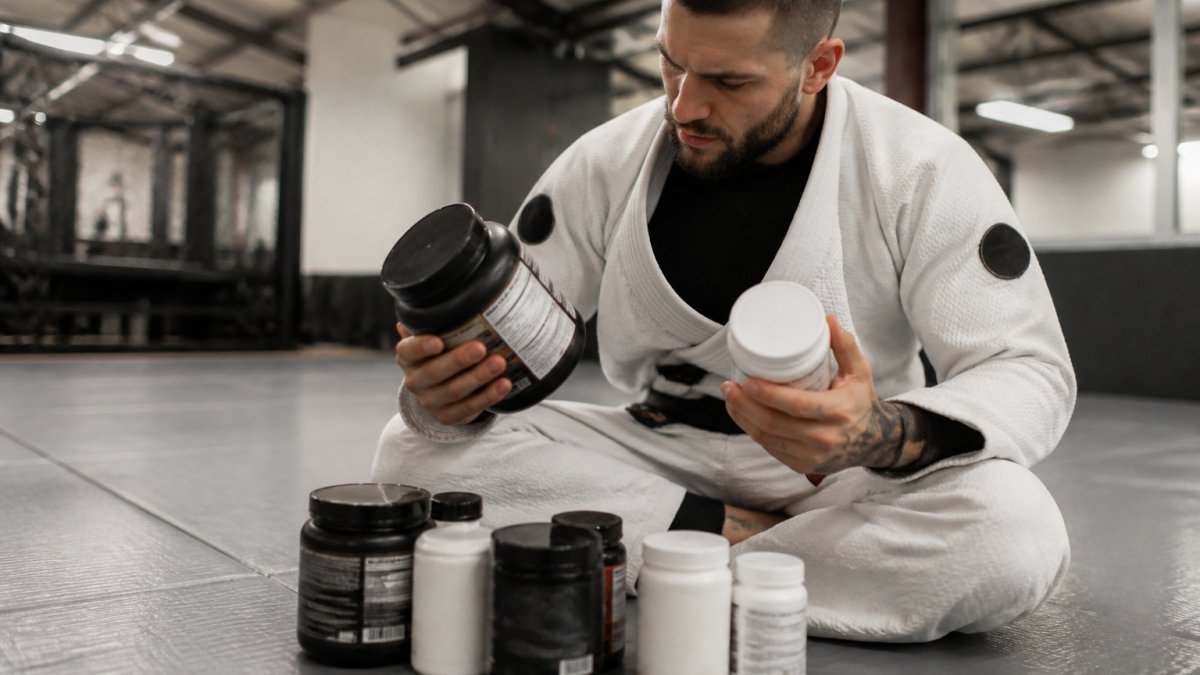
Check the ingredient list and doses. Effective supplements use research-backed compounds at effective doses. If a supplement lists 15 ingredients at tiny doses, it's likely underdosed across the board. Look for supplements with 4-8 key ingredients at doses that match research literature.
Third-party testing matters. Supplements aren't as strictly regulated as pharmaceuticals. A third-party testing certification (NSF Certified for Sport, Informed Choice, or similar) verifies that what's on the label is actually in the bottle and that it doesn't contain banned substances. This is especially important if you compete in organizations that test for banned substances.
Pricing versus effectiveness. Expensive doesn't mean effective. Some of the most researched supplements (creatine, whey protein, caffeine) are affordable. Others cost premium prices with minimal evidence. Cost per effective serving matters more than total price.
Your actual needs. A supplement only works if it addresses a real gap in your training or recovery. If you're sleeping poorly, no supplement replaces better sleep. If you're not eating enough protein, a powder helps, but fixing your diet is the foundation.
Many grapplers buy supplements hoping they'll solve problems that proper training, nutrition, and recovery should handle. Supplements amplify good habits; they don't replace them.
Common Mistakes When Choosing Combat Supplements
Most grapplers make predictable mistakes when building a supplement strategy. Recognizing these saves money and prevents wasted effort.
Mistake 1: Chasing the newest supplement. New doesn't mean better. Creatine, whey protein, and caffeine have decades of research. New compounds often have minimal evidence and premium pricing.
Mistake 2: Treating supplements as a substitute for fundamentals. No supplement replaces adequate sleep, consistent training, and proper nutrition. If you're sleeping 5 hours per night and eating inconsistently, a supplement won't fix that. Build your foundation first.
Mistake 3: Taking too many supplements. More isn't better. A focused stack of 3-5 supplements is more effective than a cabinet full of random bottles. You can't track what's working if you're changing multiple variables at once.
Mistake 4: Ignoring individual response. Your body might respond differently to a supplement than someone else's does. Track how you feel, your performance metrics, and your recovery.
Mistake 5: Not considering your competition timeline. If you're competing in 3 weeks, introducing new supplements is risky. Stick with what you know works.
Mistake 6: Overlooking skin health until infection strikes. Many grapplers ignore immune and skin-health supplementation until they get ringworm or staph. For grapplers specifically, this is where products like Skin Shield Pro make a difference.
Combat supplements for grapplers work best when they're matched to your specific training demands, competition schedule, and actual nutritional gaps.
Skin Shield Pro addresses one of the most overlooked areas: proactive skin and immune health. Rather than treating infections after they develop, a targeted supplement designed specifically for grapplers helps you stay healthy and training consistently.
Frequently Asked Questions
Can supplements actually prevent skin infections from grappling?
Supplements designed to support immune function and skin health can reduce your risk of mat-borne infections, but they work best as part of a complete approach. Combine internal support with consistent hygiene practices, proper mat sanitation, and prompt treatment of any cuts or abrasions. No supplement eliminates risk entirely, but fortifying your immune system from the inside, using ingredients like vitamin C, beta-alanine, and targeted antimicrobial compounds, gives your body better defenses against bacteria and fungi you encounter during training.
What should grapplers look for in a supplement for combat sports?
Look for third-party testing to verify label accuracy and rule out contamination. Check the dose of each active ingredient against published research to confirm it matches effective levels. Prioritize formulas addressing your specific needs: protein and creatine for strength and muscle repair, electrolytes for hydration during intense training, and immune-supporting compounds if skin health is a concern. Avoid supplements making absolute cure claims. A reputable brand will list all ingredients clearly and offer transparent sourcing.
Do grapplers need different supplements from other athletes?
Yes. Grapplers face unique demands: repeated high-intensity grappling exchanges, skin-to-skin contact with mat-borne pathogens, and the need to maintain muscle while managing weight classes. While general sports supplements like protein and creatine help all athletes, grapplers benefit from formulas addressing immune resilience and skin health, factors less critical for runners or swimmers. Additionally, grappler-specific supplements account for the explosive, repeated-effort nature of BJJ, wrestling, and MMA, making them more targeted than generic athletic nutrition.
Are specialized combat sports supplements worth the cost compared to treating infections after they happen?
Prevention is typically more cost-effective than treatment. A course of antibiotics, topical treatments, or time away from training due to infection carries direct costs and indirect costs in lost training days and competition opportunities. A daily supplement supporting immune function and skin health keeps you on the mats consistently. The real value is training time preserved and competitive edge maintained, something no post-infection treatment can restore.